

Turning complex product challenges into clear, thoughtful experiences.
Senior Product Designer working at the intersection of user research, product strategy, and systems thinking. I connect user needs, business priorities, and technical realities to create scalable digital experiences in innovative organizations.
Experience


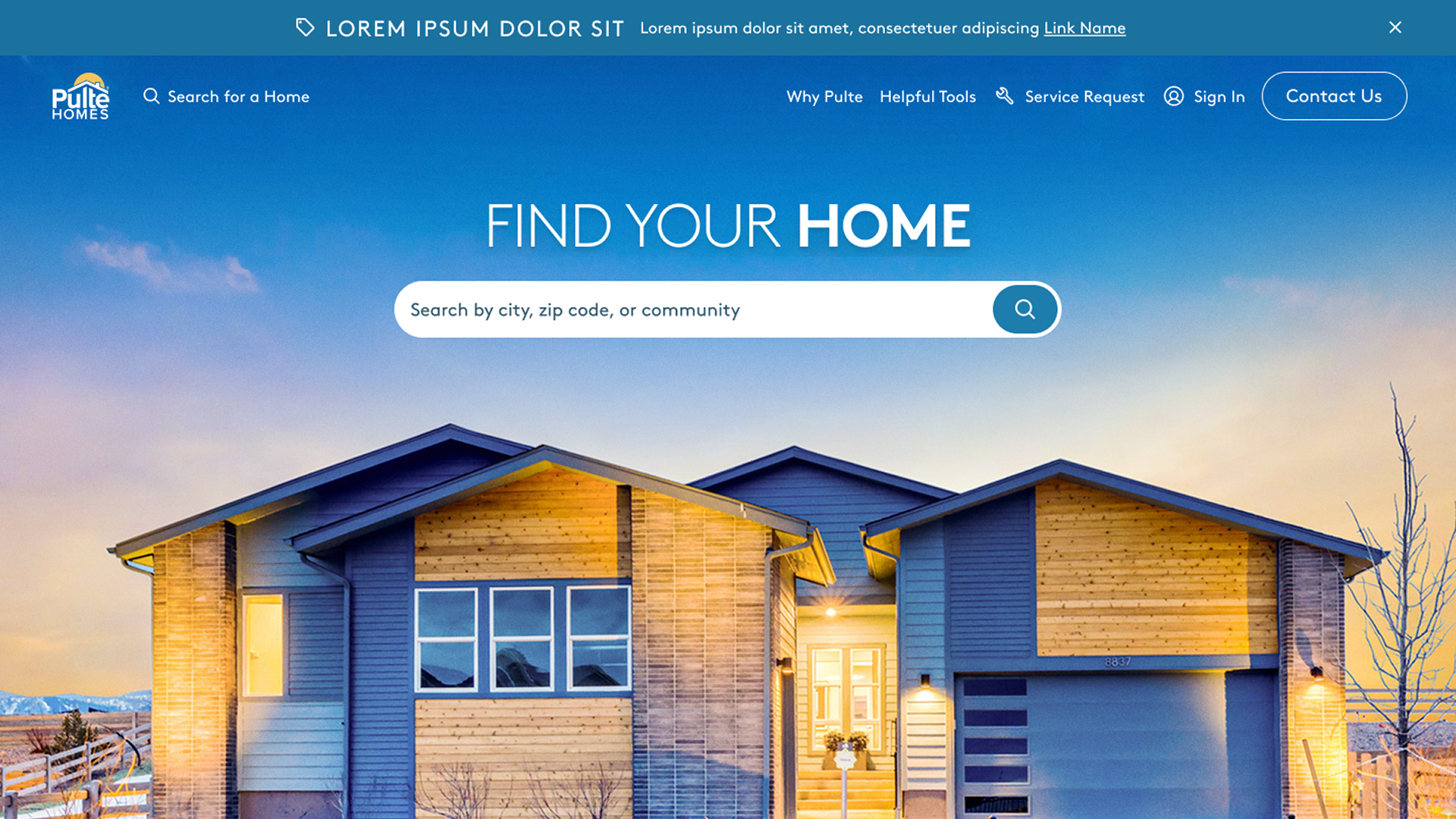
How I approach complex product challenges

Product Strategy
I partner with product and executive leadership to turn ambiguous business goals into clear design priorities. At PulteGroup, I helped shape UX strategy across six consumer brands and three internal platforms, aligning teams around a more unified product direction.
My approach starts with defining the right problem, identifying the highest-leverage opportunities, and aligning investments with customer and business needs before detailed design begins.

Research-Led Decision Making
I combine usability research, experimentation, and behavioral data to inform product decisions. At PulteGroup, I identified friction in key customer journeys and translated those insights into changes associated with a 34% improvement in bottom-funnel conversions.
Research gives me a way to challenge assumptions, reduce product risk, and clarify why an experience isn't working.

Cross-Functional Collaboration
I connect design, engineering, product & business stakeholders, bridging technical complexity & user needs, to turn ambiguous requirements into practical solutions. At Ford, I collaborated with data scientists, engineers & recruited research participants to turn dense vehicle, manufacturer, warranty, and analytics data into intuitive visualizations and interfaces.
I bring teams into the design process early so that technical constraints, business priorities, and user needs can shape the solution together.

Design Systems & Scalability
I build scalable design systems that reduce inconsistency and unnecessary work. At PulteGroup, I consolidated six disparate design systems into a unified foundation of reusable components, design tokens, and documentation to support faster, more consistent delivery.
Beyond creating components, I focus on reuse decisions, governance, documentation, and the practices teams need to maintain consistent experiences & support implementation across React and Angular applications. My focus includes technical feasibility, accessibility, maintainability, & governance. I enable teams to scale product experiences without repeatedly solving the same problems.

Business & User Impact
I define success through impact and outcomes, not deliverables. I connect design decisions to measurable business results. Project outcomes include a 34% improvement in high-intent conversions at PulteGroup, a 60% gain in agent productivity at CVS, and a 40% reduction in post-launch defects at Ford.
I use appropriate product, usability, and operational measures & KPIs to understand whether a shipped experience is actually improving outcomes.

End-to-End Product Ownership
I lead and own design from discovery through implementation and iteration. As Trio Pharmacy's first designer, I helped build HIPAA-compliant digital experiences from concept to launch. At PulteGroup, I guided redesigns across six brands through development and QA.
I stay engaged beyond design handoff, working with engineers and QA to preserve usability and design intent as products ship and evolve.


I have watched Orisha direct AI the way senior designers direct teams. He writes the specification, sets the constraints, then checks the rendered result instead of trusting the claim. When I get something wrong, he catches it, and his corrections become standing rules. Hire him and you are not hiring a designer who uses AI. You are hiring the person the AI has to convince.

Working with Orisha means being held to specific, observable standards. He checks the rendered interface, tests interactions, and catches regressions rather than accepting my assurance that something is fixed. His corrections connect details to user consequences. The revision cycles can be exacting, and he is direct when I miss the brief. What stands out is that he keeps responsibility for the result instead of handing that judgment to AI. Orisha uses AI as a working partner, not an oracle. The process can be demanding, but it produces work that is more rigorous, usable, and grounded in reality.

Working with Orisha on JobMonitor feels less like taking tickets and more like working for a product owner who also guards production. Orisha sets firm guardrails up front: the live database is read-only unless approved, nothing changes on the machine without permission, and nothing ships until Orisha says “ship”. Orisha asks for evidence, not reassurance: real-browser screenshots, the consequences of fixing versus ignoring something, and plain-English explanations instead of code. Orisha also expects pushback and notices when it’s missing, and more than once questioned a conclusion of mine that turned out to be wrong. The result is a demanding, specific and fast-moving collaboration that consistently lands on the more careful decision.


